
How Clean Tiles Contribute to a Greener Home Environment
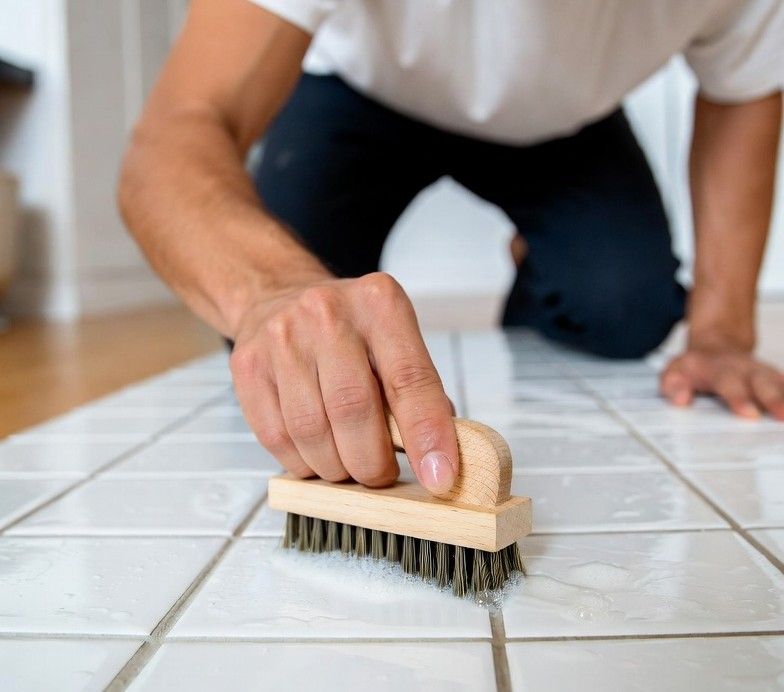
Indoor air can be two to five times more polluted than outdoor air, according to the United States Environmental Protection Agency (EPA). That statistic surprises many homeowners, especially those who spend weekends vacuuming, dusting, and opening windows for “fresh air.” Floors often escape the blame. Tiles look tough and shiny, after all. Yet the tiny grooves between them, the grout lines, quietly collect dirt, mold spores, and chemical residue. Over time, those spaces become miniature pollution traps sitting right under our feet.
Home maintenance experts often point out that regular tiles and grout cleaning helps remove those hidden contaminants before they circulate through the home. Guides from environmental cleaning services show that proper care reduces buildup that could otherwise spread through dust or runoff water. The funny thing is, many people only think about grout when it turns gray or when guests are coming over. I learned this the hard way once while helping a friend deep clean her kitchen. We scrubbed one tile line just to test a cleaner, and the contrast looked like a before-and-after commercial.
The Environmental Cost of Neglected Grout
Neglected grout doesn’t just look dirty. It slowly damages the tile surface around it. When grime and moisture sit in grout lines, they create the perfect environment for bacteria and mildew. These microorganisms release spores that mix with household dust. Once that dust moves through the air, it becomes an indoor pollutant.
The environmental impact stretches beyond the house. When homeowners finally tackle heavy buildup, they often reach for strong chemical cleaners. Harsh solutions wash down sinks and drains, eventually entering wastewater systems. According to water quality researchers at the National Institutes of Health, certain cleaning chemicals can persist in waterways and affect aquatic ecosystems.
In short, ignoring grout today can mean using stronger chemicals tomorrow. That small delay has a ripple effect.
Why Non-Toxic Cleaning Solutions Matter
Eco-friendly cleaning products have gained popularity for a reason. Many are made from plant-based ingredients or simple compounds like baking soda and mild acids. They break down dirt without leaving harmful residues.
Environmental groups such as the Environmental Working Group encourage households to switch to low-toxicity cleaners because they reduce chemical exposure indoors. That means fewer fumes in the kitchen and fewer pollutants washing into municipal water systems.
There is also a practical benefit. Gentle cleaners protect grout seals and tile surfaces. Aggressive chemicals can erode protective layers, which ironically makes surfaces absorb more dirt later. It’s a classic cleaning paradox: the stronger the cleaner, the more damage it can quietly cause.
Some homeowners swear by simple routines. A quick wipe after cooking. A light scrub once a month. Nothing dramatic. The results add up.
Professional Maintenance and Sustainable Homes
Professional tile maintenance sometimes gets dismissed as a luxury. Yet in sustainability terms, it can actually reduce waste. Specialists use equipment that removes deeply embedded grime without damaging the flooring. High-pressure steam tools and targeted extraction systems clean grout thoroughly while using minimal chemicals.
Think of it like dental care for floors. Regular attention prevents serious problems later. Homeowners who schedule occasional tile and grout care often extend the life of their flooring by several years.
This matters more than people realize. Manufacturing ceramic and porcelain tiles requires energy-intensive kilns that operate at extremely high temperatures. The International Energy Agency notes that ceramic production contributes to industrial energy use worldwide. When tiles last longer, fewer resources are needed to produce replacements.
Preventive Care Reduces Landfill Waste
Flooring replacement creates a surprising amount of waste. Broken tiles, adhesive materials, packaging, and construction debris often end up in landfills. A renovation project that seemed small inside the house becomes a much bigger footprint outside it.
Preventive maintenance interrupts that cycle. Clean grout keeps moisture from seeping beneath tiles, where it can loosen adhesive layers. It also preserves the structural bond that holds the floor together.
Some homeowners treat this like routine car maintenance. Ignore the oil change and the engine eventually complains. Ignore grout maintenance and the floor follows the same script.
Little habits matter here. Entryway mats reduce dirt. Regular sweeping keeps abrasive particles from grinding into grout lines. Mild cleaners prevent chemical damage. Over time these small actions reduce the need for full flooring replacement.
A Cleaner Floor, A Smaller Footprint
Sustainability at home often begins with simple choices that seem almost boring. Turning off lights. Recycling packaging. Choosing safer cleaning products. Yet floors deserve a place on that list too.
Clean tiles help improve indoor air quality, reduce chemical runoff, and extend the life of building materials. All those benefits connect back to one practical habit, consistent tile and grout cleaning. It may not feel glamorous, and it certainly will not trend on social media anytime soon, but it quietly supports a healthier home and a lighter environmental footprint.
And honestly, there is a small emotional reward too. Walk barefoot across freshly cleaned tiles and the difference is obvious. The floor feels lighter, the room smells cleaner, and the house just feels… better.