Why Are College Textbooks So Expensive? Eco-Friendly Strategies to Save Money and Reduce Waste
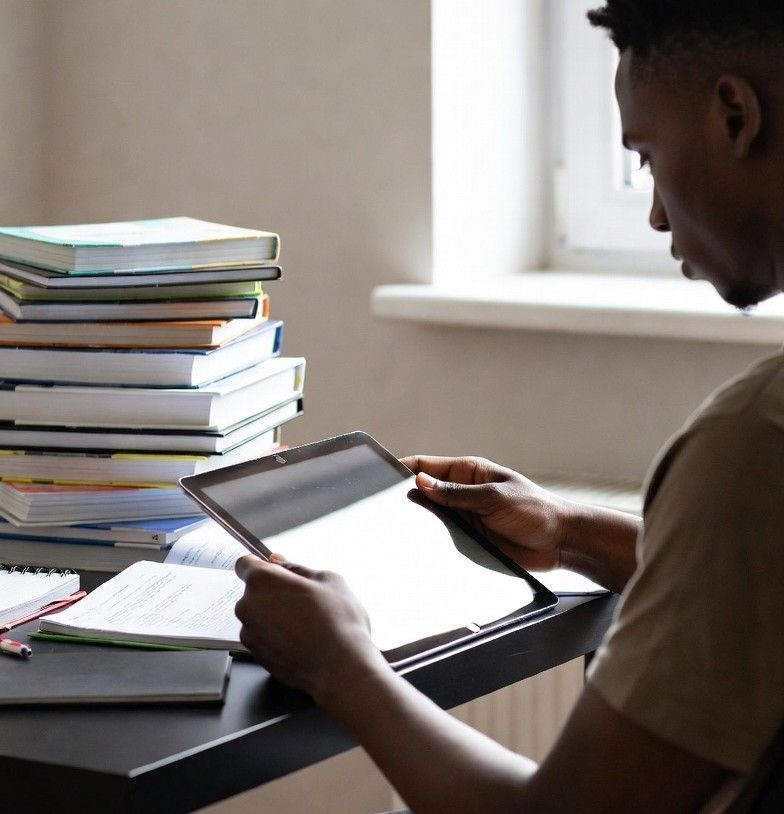
Did you know that the average college student can spend over $1,200 a year on textbooks alone? According to the College Board, textbook prices have increased by more than 80% over the past two decades, making this expense almost as daunting as tuition itself. That’s like a small vacation fund evaporating before the semester even begins. And honestly, it’s no wonder students are panicking when they see the price tag of a single biology or economics textbook. The question on everyone’s mind is, why are college textbooks so expensive? Research from the Student PIRGs and the Bureau of Labor Statistics suggests a mix of high production costs, frequent edition updates, and publisher marketing strategies all play a role.
Back in my freshman year, I remember lugging around a 1,500-page chemistry tome that cost a small fortune. I thought, surely there’s a better way. Free digital textbooks and open-access platforms are not just a dream – they’re increasingly a reality. By reducing reliance on new printed copies, students can save hundreds of dollars each semester and, at the same time, help cut down on the environmental impact of book production.
Free Digital Textbooks: A Lifesaver for Students
Studies show that digital textbooks can cost up to 90% less than traditional print editions, and platforms like Open Textbook Library and Project Gutenberg host thousands of free academic resources. Imagine downloading an entire calculus book in minutes instead of waiting for a pricey paper version. Not only does this save cash, but it also prevents stacks of physical books from piling up in dorm rooms or, worse, ending up in landfills. Digital books are light on your back and light on the planet, according to research from the Environmental Paper Network.
Leverage Your University Library
Most campuses are sitting on gold mines of resources. University library reserves often carry textbooks for short-term loans, and librarians can help you locate digital copies or older editions. I once survived a semester of sociology without buying a single book, thanks to library scans and borrowing from a friendly classmate. Research indicates that students who maximize library resources can save hundreds per semester, all while reducing paper waste. Platforms like VitalSource and Chegg also allow you to rent e-textbooks at a fraction of the cost of buying them outright.
Peer Support and Swaps
Students are brilliant at helping each other. Campus Facebook groups, Reddit threads, or bulletin boards often host textbook swaps, used book sales, and lending libraries. Trading an old economics book for a friend’s psychology textbook can feel like scoring hidden treasure. Beyond the obvious savings, these swaps foster a culture of sharing and sustainability. According to a survey by the American Library Association, peer-supported book sharing reduces the need for new book production and helps prevent unnecessary waste. Some students are even experimenting with simulation games for sustainable learning to explore eco-conscious campus habits and see the impact of their choices in a fun, interactive way.
Eco-Friendly Alternatives When Free Options Aren’t Available
If you can’t find a free digital version or borrow one, don’t panic. Consider used books from Amazon Marketplace, ThriftBooks, or local student shops. Paperback editions often cost less than new hardcovers and have a much smaller carbon footprint. Even buying last semester’s edition can work for many courses, since professors rarely change content drastically every year. Pair this with digital note-taking instead of printing every chapter, and you’re actively reducing both costs and waste. Small, intentional steps like these create ripples in campus sustainability practices.
Final Thoughts
So, why are college textbooks so expensive? It’s a combination of publisher strategies, high production costs, and frequent updates. But students have options. By embracing free digital texts, borrowing from libraries, trading with peers, or opting for used editions, you can save money while protecting the environment. Every eco-conscious choice in your academic journey – whether swapping, downloading, or renting – cuts down on waste, encourages sustainable habits, and keeps your wallet happier. Research shows that students who choose sustainable textbook strategies not only save money but also contribute to zero-waste initiatives on campus. Next time you pick up a textbook, think about its journey – from the forest to your backpack – and consider smarter, greener options. Your future self (and the planet) will thank you.